

Steel structure factory building market trends and growth opportunities
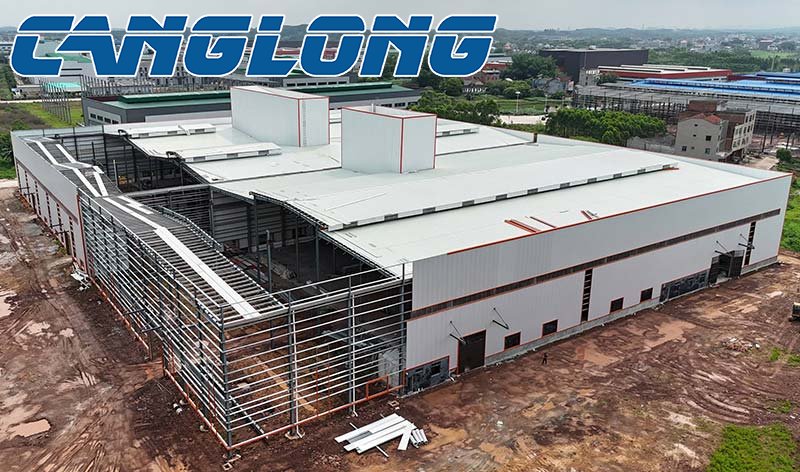
With the adjustment of manufacturing layout, the construction of logistics infrastructure, and the continued industrialization of emerging markets, steel structure factory building is becoming an important choice in the industrial building sector. From manufacturing plants and logistics warehouses to agricultural processing facilities, market demand is developing towards construction efficiency, space utilization, and overall cost control.
I. Global Market Trends
A forecast released by the World Steel Association in October 2026 shows that global steel demand is expected to remain basically flat in 2026 and grow by 1.7% in 2027. Among these, demand growth in India, Southeast Asia, and parts of Africa is noteworthy. Steel demand is not equivalent to the market size of steel structure factory buildings, but it can serve as an important reference for observing construction and industrial investment trends.
II. Three Major Growth Opportunities for Steel Structure Factory Buildings
1. Construction Demand Driven by Industrialization in Emerging Markets
In parts of Africa, Southeast Asia, and South Asia, industrial parks, manufacturing plants, warehousing facilities, and agricultural product processing projects are creating development opportunities for steel structure buildings.
For these markets, buyers not only focus on construction prices but also value transportation convenience, on-site installation efficiency, and the supplier's overseas project experience.
2. Logistics, Warehousing, and Manufacturing Drive Building Upgrades
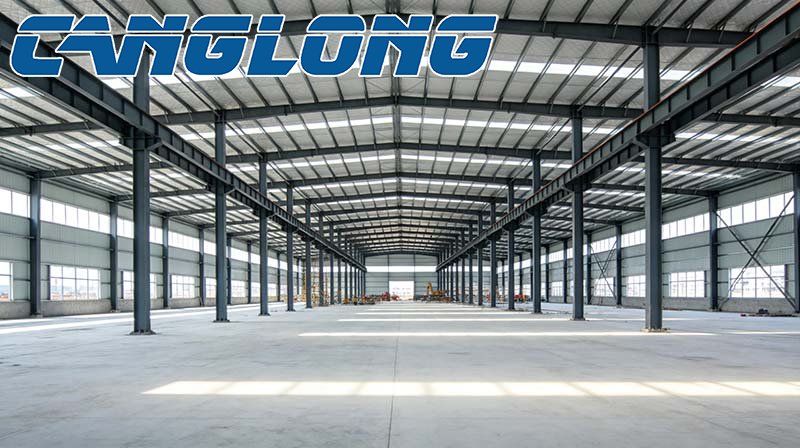
E-commerce logistics, supply chain warehousing, and manufacturing expansion continue to drive demand for large-span buildings with flexible internal spaces.
Steel structure workshops can be customized to production lines, warehouse layouts, equipment loads, and future expansion needs, suitable for industrial plants, logistics warehouses, repair workshops, and agricultural facilities.
3. Prefabrication and One-Stop Procurement Become Competitive Advantages
Traditional on-site construction involves multiple material procurements and process coordination. Prefabricated steel structures allow for phased organization of design, component fabrication, and on-site installation, improving construction efficiency.
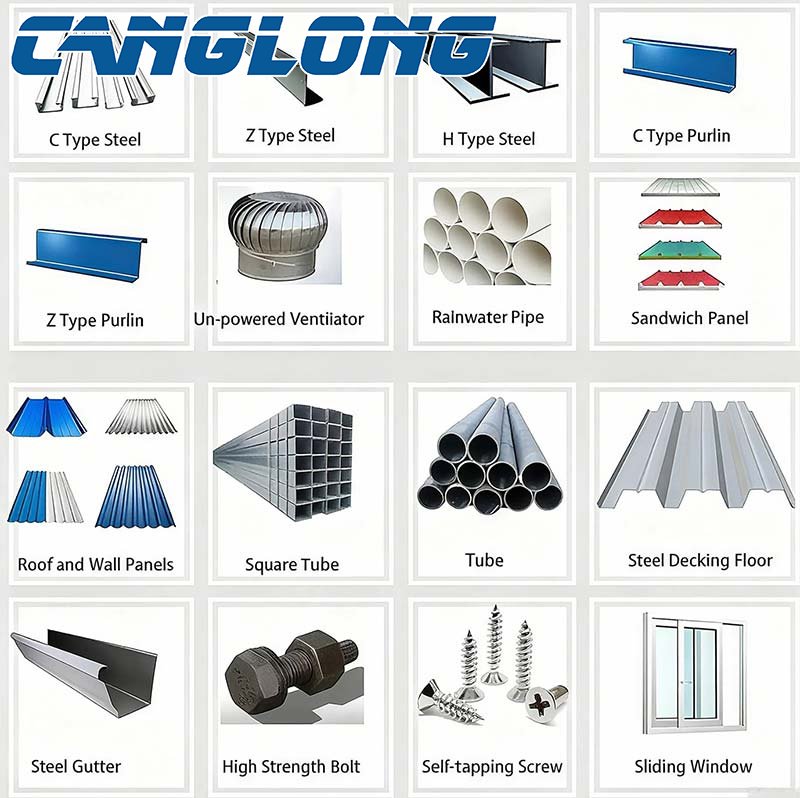
For overseas projects, complete steel structure kits can integrate H-beams, purlins, supports, roofing and wall cladding materials, and connecting accessories, reducing the complexity of coordinating multiple suppliers.
III. What Issues Are Buyers Focusing On?
Market competition is no longer just about comparing prices per ton of steel or per square meter of building space. Increasingly, projects require comprehensive evaluation:
Design Capabilities: Can the design be tailored to local wind loads, snow loads, seismic conditions, and building codes?
Manufacturing Quality: Do steel specifications, welding, dimensional accuracy, and anti-corrosion coatings meet requirements?
Material Integrity: Can the main structure, enclosure system, and accessories be supplied uniformly?
International Delivery Capabilities: Does the supplier provide component numbering, proper packaging, container loading, and transportation coordination?
Installation Support: Does the supplier provide installation drawings, technical guidance, and necessary after-sales support?
Long-Term Costs: Does the supplier consider construction efficiency, maintenance needs, insulation performance, and future expansion?
IV. How Can Steel Structure Suppliers Seize Market Opportunities?
For steel structure manufacturers, future competition will focus not only on production capacity but also on the synergy of customized design, quality control, international logistics, and project services.
Taking Canglong Group as an example, by integrating steel structure design, factory manufacturing, supporting material supply, transportation coordination, and installation guidance, they can help clients reduce overseas procurement steps and improve project execution coordination efficiency.
Conclusion
The global steel structure factory building market still faces uncertainties such as economic fluctuations, changes in trade policies, raw material prices, and financing costs. However, industrialization, logistics construction, and manufacturing investment also bring new development opportunities.
For buyers, choosing a supplier that can provide complete steel structure solutions helps to better control project costs, delivery risks, and construction coordination. For manufacturers, the real competitive advantage lies in meeting the actual construction needs of different markets with reliable quality and complete services.


