

Advantages of metal surface insulated sandwich panels for steel plants
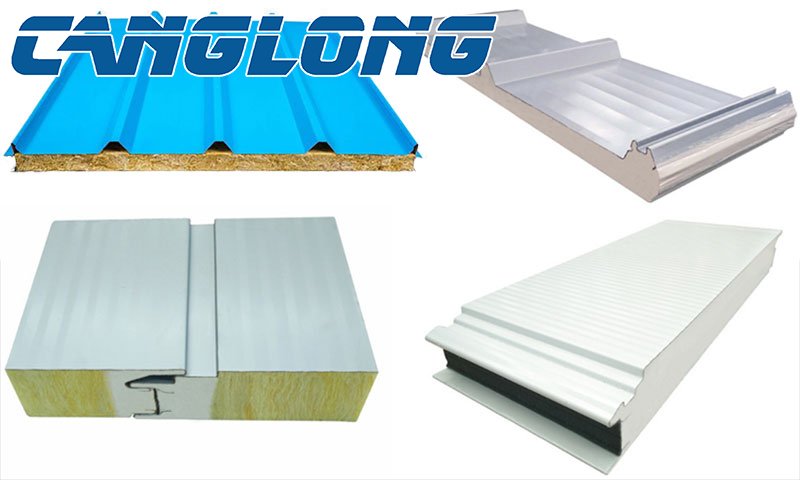
In the global industrial building sector, metal surface insulated sandwich panels are rapidly becoming the preferred material for new or renovated steel plants. This composite material, combining a color-coated metal panel with a high-efficiency insulation core (commonly rock wool or polyurethane), brings revolutionary advantages to the construction and operation of steel plants.
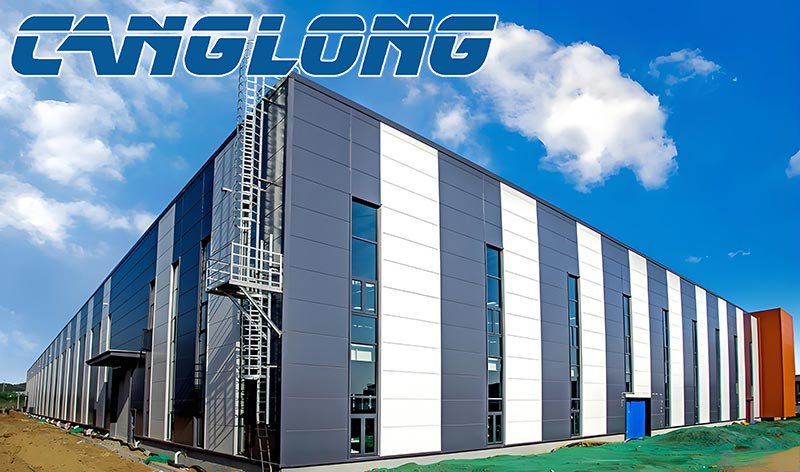
Why Choose Metal Surface Insulated Sandwich Panels for Steel Plants?
1. Superior Fire Resistance and High-Temperature Resistance
Sandwich panels using rock wool core materials can meet Class A non-combustible standards, effectively addressing the potential fire risks and high-temperature radiation of steel plants.
Providing a crucial passive fire barrier for personnel, equipment, and assets.
2. Rapid Construction, Significantly Shorter Downtime
Integrated Installation: The panels simultaneously serve as the enclosure structure, insulation layer, and decorative surface, greatly simplifying the construction process.
Modular Design: Enables factory prefabrication and rapid on-site assembly, more than 60% faster than traditional brick-and-mortar or layered construction, helping steel plants resume production as quickly as possible.
3. Excellent Energy Saving and Temperature Control
A continuous, high-efficiency insulation layer avoids thermal bridging, significantly reducing energy consumption for heating or cooling within the factory.
It creates a stable temperature and humidity environment for precision instruments or specific process areas, improving production quality.
4. Superior Structural Performance and Durability
High strength, lightweight: The panels possess excellent compressive and bending strength while reducing the overall building load and lowering foundation costs.
Excellent corrosion resistance: High-quality metal panels (such as galvanized steel sheets) combined with a high-performance coating effectively resist corrosive gases or particles that may be present in industrial environments.
5. Low Maintenance and Long Service Life
The smooth, flat surface is not prone to dust accumulation and is easy to clean.
The material is stable, does not rot or mold, requires virtually no maintenance, and has a low total lifespan cost.
6. Flexible Adaptability to Industrial Needs
Components can be easily embedded within the panels for easy installation of pipes, lighting fixtures, cable trays, or small equipment.
The panels are easy to cut and perforate, accommodating future changes to process piping.
Economic Analysis
While the initial investment in metal-faced insulated sandwich panels may be higher than that of traditional materials, the value they bring far outweighs the cost:
Time Cost Savings: Rapid construction means less production interruption, resulting in significant revenue recovery from downtime.
Reduced Operating Costs: Excellent insulation performance directly reduces annual energy expenditures.
Reduced Maintenance Costs: Long-term durability saves substantial costs on maintenance, repair, or replacement.
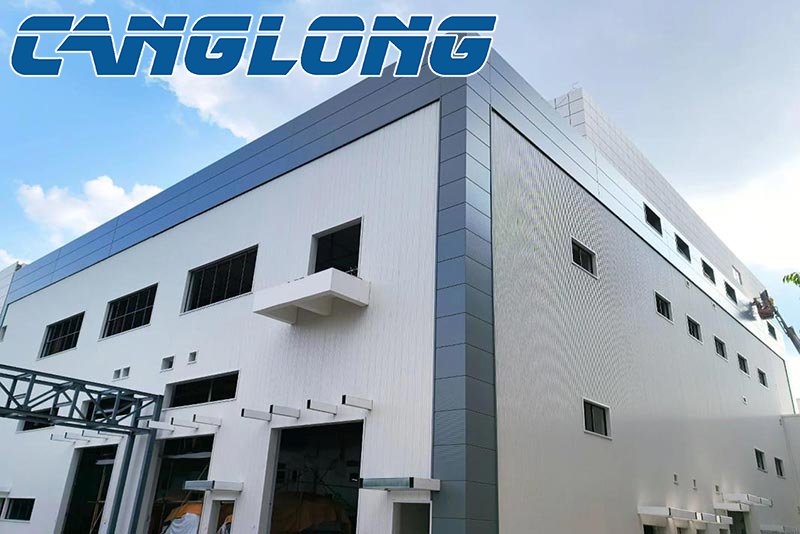
Conclusion
For modern steel plants seeking safe, efficient, energy-saving, and sustainable operations, metal surface insulated sandwich panels offer a near-perfect solution. They not only address many pain points of traditional industrial building materials but also, through their comprehensive performance, directly contribute to production safety, continuity, and long-term economic benefits for the enterprise.
Recommendation: During the project planning phase, engage in in-depth communication with professional panel suppliers and architects to select the most suitable panel and core material combination based on your steel mill's specific processes, climate conditions, and regulatory requirements.
Latest News
-
Canglong steel structure solution for a 5000㎡ factory in Chile
-
Advantages of metal surface insulated sandwich panels for steel plants
-
How to achieve 95% material recyclability in steel structure buildings?
-
How can steel truss and H-beam reshape the internal space limit of warehouses?


